Warren
January 15, 2026
Drain cleaning removes blockages and restores proper wastewater flow in household and commercial plumbing. Understanding local causes and options is essential for Charleston residents. Coastal humidity, aging sewer mains, and local vegetation create distinct clog patterns in Charleston, SC. This guide explains why clogs happen, how professionals diagnose problems, and which methods yield lasting results. You’ll learn to distinguish kitchen and bathroom blockages from mainline sewer issues, compare drain snaking, hydro jetting, and camera inspection, and get clear local cost guidance to make informed choices. The article also covers emergency warning signs, immediate homeowner safety steps, eco-friendly DIY maintenance, and a practical checklist for choosing a reputable local service provider. Throughout, I explain mechanisms (how each method works), give concrete Charleston-relevant examples (tree-root intrusion, grease build-up in older downtown homes), and offer action steps for prevention and timely professional intervention. Read on to understand costs, methods, and when to call a licensed technician to protect your property and avoid repeat visits.
Drain clogs occur when solid material, biological growth, or intrusions restrict flow inside pipes. In Charleston, specific environmental and infrastructure factors accelerate those processes. Coastal humidity and salt-influenced soils can increase corrosion and scaling; older Victorian-era plumbing in historic neighborhoods often has narrower pipes or clay sections that trap debris more easily. In many homes, kitchen grease, food solids, hair, and soap scum combine to form resilient blockages, while outdoor tree roots exploit joints in aging sewer lines and create progressive mainline obstructions. Recognizing whether a clog is localized (single fixture) or systemic (multiple fixtures or yard sinkage) determines whether a simple snaking or a full camera inspection and mainline repair are needed. The next subsections break down common substances and root/sewer issues with Charleston-specific examples and diagnostic tips so homeowners can quickly triage their situation and choose the right response.
Kitchen and bathroom blockages result from persistent accumulation of everyday materials that bind into obstructions inside pipe sections. Simple behaviors often make blockages worse. Grease poured down kitchen sinks cools and adheres to pipe walls, collecting food solids like potato peels or coffee grounds to form a dense obstruction that resists rodding; soap scum and hair combine in bathroom drains to create mats that trap water and slow flow. Overuse of chemical drain cleaners can temporarily dissolve organic matter but may accelerate corrosion on older cast-iron or clay pipes, so eco-friendly alternatives and mechanical clearing are preferable for frequent clogs. Homeowners should test whether slow drainage affects just one fixture or multiple points; localized slow flow often responds to manual augering, while recurring sink backups indicate the need for professional inspection. Understanding these patterns helps decide when to try a mechanical fix and when to request a diagnostic video camera assessment.
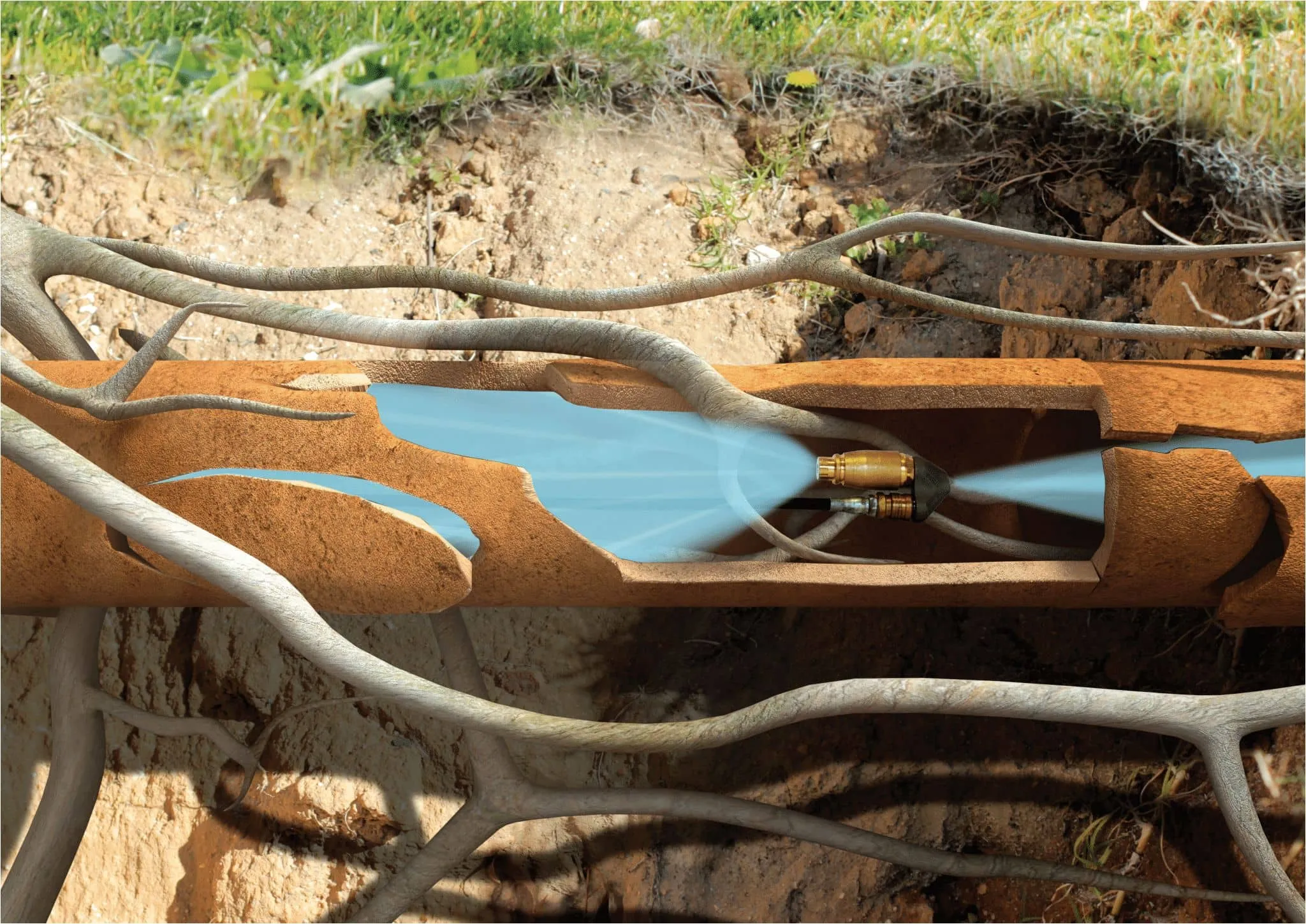
Tree roots and failing sewer mains often produce symptoms that go beyond a single clogged trap, and early detection prevents major damage to foundations and landscaping. Roots seek moisture and nutrients, growing into pipe joints through tiny cracks in clay or aged cast-iron lines, gradually enlarging fissures and creating tangled blockages that cause backups in multiple fixtures and surface pooling in yards. Signs such as repeated clogs, sewage odors in the yard, gurgling toilets, or depressions in the lawn suggest mainline intrusion rather than a surface trap issue, and a video camera inspection is the diagnostic step that locates the intrusion and measures its extent. A camera inspection lets technicians map the problem and advise whether a targeted root treatment, hydro jetting, or a line replacement is warranted. Detecting root intrusion early reduces long-term repair costs and limits the need for disruptive excavation.
Professional drain cleaning methods include mechanical snaking, hydro jetting, and video camera inspection; each method targets different clog types and pipe conditions for predictable outcomes. Snaking (augering) uses a flexible metal cable to break or retrieve localized blockages and is fast and cost-effective for hair, soap mats, and small debris. Hydro jetting relies on high-pressure water to scour grease, mineral scale, and root shearing in larger-diameter lines, producing a deep-clean effect that restores near-new flow but requires pipe assessment for older materials. Video camera inspection provides visual diagnosis and documents the clog’s location and cause, enabling informed method selection and reducing repeat visits. Below is a comparison table that clarifies when each approach is appropriate and their trade-offs so homeowners can match the method to the problem efficiently.
This table compares primary professional methods to help determine the right approach for a given Charleston clog.
This comparison shows that combining methods—camera diagnosis followed by snaking or hydro jetting—often yields the best long-term result by matching treatment to the actual cause.
Hydro jetting uses a high-pressure hose with specialized nozzles to direct powerful streams of water along the pipe interior, dislodging grease, scale, and root mass and flushing them downstream. Typical municipal-grade hydro jetting delivers pressures that abrade and shear deposits without chemicals, making it particularly effective for thick grease and mineral build-up that mechanical snaking cannot remove. Hydro jetting is ideal when camera inspection shows hardened lining or when clogs recur after snaking, but older clay or heavily damaged pipes require careful assessment because extreme pressure could worsen structural failures. For Charleston properties with persistent grease problems from older kitchens or roots in mainlines, hydro jetting often restores capacity and reduces return visits; however, technicians should pair it with a camera inspection to confirm pipe integrity before treatment.
Drain snaking provides a quick mechanical solution to many common fixture clogs while video camera inspection gives precise diagnostics that prevent unnecessary or ineffective treatments, and together they form a cost-effective diagnostic-and-repair workflow. Snaking clears hair, soap mats, and small food obstructions on the spot, delivering immediate relief and low service costs, while a subsequent camera inspection reveals whether the pipe wall retains grease or scale or whether a deeper mainline issue exists. Combining snaking and camera inspection reduces repeat service calls because the camera documents the outcome and reveals hidden damage like cracks or root intrusion that would otherwise be missed. In Charleston, where older pipes and environmental root pressure are common, pairing these methods increases the likelihood of a permanent fix and better informs whether hydro jetting or a line repair is the right next step.
Over time, sewer pipes—especially cast iron—accumulate layers of scale, corrosion flakes, hard water deposits, and debris that gradually choke off flow. This buildup creates rough internal surfaces that catch toilet paper, grease, and solids, eventually causing slow drains and recurring blockages.
1. Restores Flow and Pipe Capacity
Scale and corrosion can reduce a pipe’s effective diameter dramatically. Mechanical descaling removes these obstructions and instantly improves flow, often more effectively than traditional cabling alone.
2. Smooths Internal Pipe Walls
Older cast-iron pipes develop jagged, barnacle-like surfaces that snag debris and cause repeat clogs. High-speed mechanical descaling smooths out these rough surfaces, making the line operate almost like new internally.
3. Addresses Problems That Jetting or Cabling Can’t Fully Resolve
Jetters are great for flushing debris and soft blockages. Cable machines can punch through clogs.
But neither of them remove hardened scale or decades of corrosion.
Mechanical milling tools physically grind away buildup and restore the actual pipe diameter — delivering a deeper, longer-lasting clean.
4. Reduces Odors and Backups
Scale buildup traps waste, fats, and even sewer gas. Removing that buildup eliminates the material that causes odors and recurring blockages.
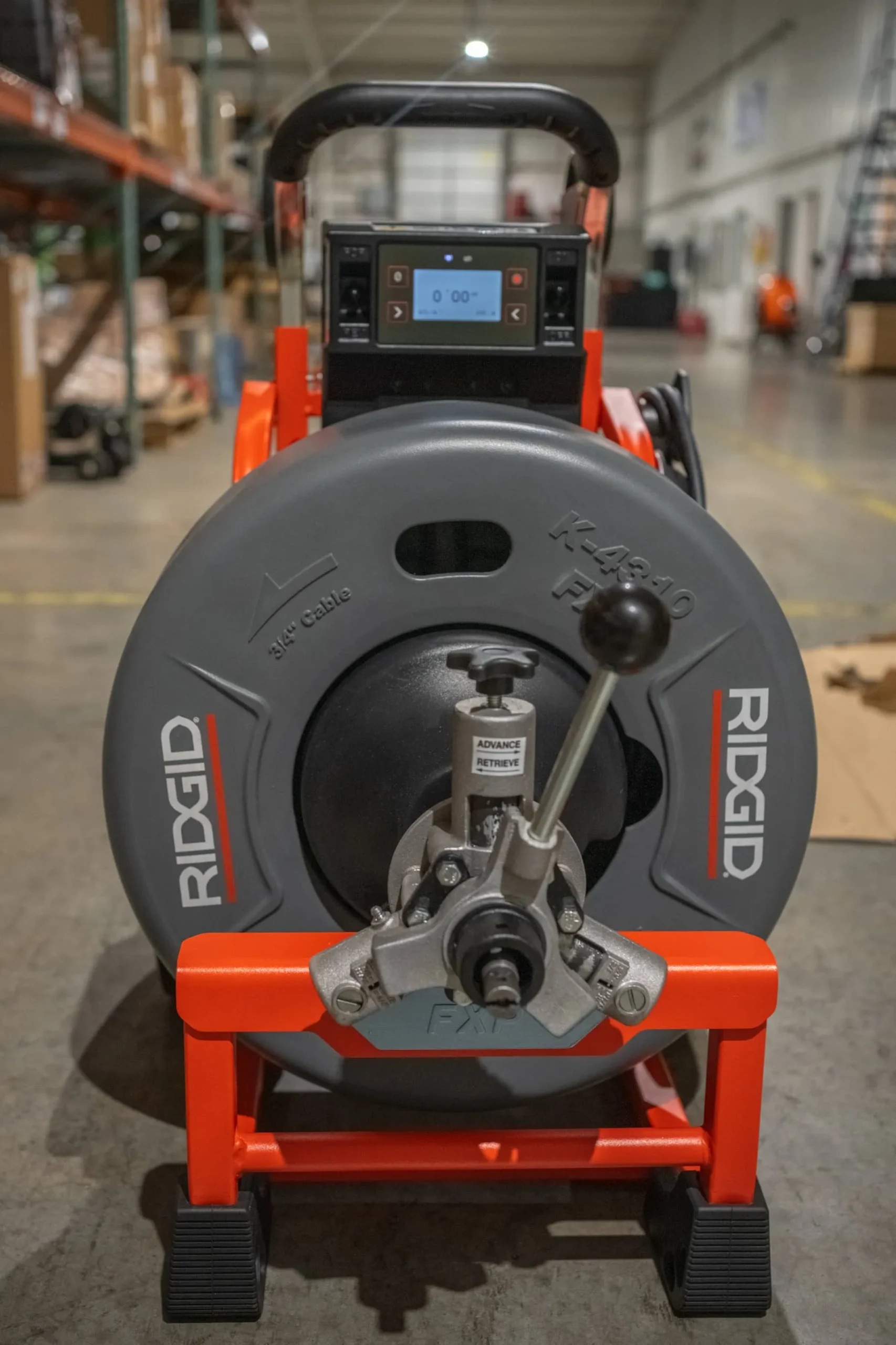
Today’s advanced drain-cleaning equipment goes far beyond traditional augers. High-powered milling machines (“Millers”), flexible-shaft systems, and specialized cleaning chains allow professionals to thoroughly rehabilitate pipes without excavation.
Millers use flexible shafts spinning at tens of thousands of RPMs. These tools allow technicians to:
Because the shaft is flexible, it navigates bends and cleanly scrubs the interior wall of the pipe.
Chain knockers use centrifugal force to “whip” around inside the pipe and remove buildup.
Different styles are used depending on the situation:
This versatility means a technician can match the tool to the pipe condition, achieving aggressive cleaning without damaging the host pipe.
In older sewer systems — especially under slabs — corrosion and soil movement can create offsets, rough edges, and irregular shapes inside the pipe.
Specialty heads help navigate and clean these areas effectively:
Used in deteriorated or thin-wall sections where a standard chain would be too aggressive.
These heads are designed to glide through sections where the pipe has shifted or where the bottom has begun to rot out (“trench rot”). They help the technician find a safe path through compromised areas without causing collapse.
For thick scale deposits, these heads remove buildup in layers, giving the operator total control. Ideal when a section needs careful shaping rather than brute-force cleaning.
For dense, stubborn corrosion. These operate with high RPM cutting power while self-centering to avoid gouging the pipe walls.
When compared to jetting or traditional cable machines, high-powered mechanical descaling tools offer a deeper, more thorough clean. They not only remove the immediate blockage but also address the underlying cause of most repeat sewer issues — the thick scale and corrosion that have built up for decades.
Here’s why professional mechanical descaling stands out:
When combined with camera inspections and other drain-cleaning methods, mechanical descaling delivers a complete, top-to-bottom pipe restoration clean — giving homeowners smoother flow, fewer backups, and a healthier sewer system overall.
Drain cleaning costs depend on method, severity, accessibility, and whether the job is a standard appointment or an emergency call; transparency about these drivers helps homeowners plan budgets. Simple snaking for a single fixture is the lowest-cost option, while hydro jetting and mainline repairs require more equipment, time, and expertise and therefore cost more. Emergency or after-hours calls typically add premium fees, and properties with difficult access or multi-level runs require additional labor and time—factors that directly affect estimates. The table below outlines service types, typical steps, influencing factors, and local price estimates to clarify what homeowners can expect when they request a quote from a Charleston plumber.
This table provides a concise local cost guide and explains why prices vary.
This cost framework helps homeowners weigh immediate expense against long-term value, as more thorough methods can prevent recurring calls and larger repairs.
Local price drivers include the method required, the severity and location of the clog, accessibility of cleanouts, and whether the service is scheduled or emergency, and each factor adds predictable cost elements. Equipment-intensive treatments such as hydro jetting require specialized trucks and operators, increasing hourly rates, while simple snaking is faster and less expensive. Jobs that require excavation, mainline replacement, or permits elevate costs substantially, and Charleston-specific considerations—such as difficult access in historic districts or needing traffic control for curb-side mains—can increase labor and logistics time. Understanding these variables lets homeowners ask targeted questions when comparing estimates and prioritize diagnostics like camera inspection to avoid surprise costs later.
Emergency drain cleaning is warranted when blockages pose immediate health, safety, or property-damage risks, and recognizing red-flag signs expedites professional intervention. Emergencies include sewage backing up into living spaces, persistent backups in multiple fixtures, sudden and strong sewer odors inside the home, visible water pooling on lawns or near foundations, and gurgling or bubbling fixtures that indicate mainline obstruction. In such scenarios, homeowners should avoid using fixtures to limit further contamination, shut off irrigation or external water sources if they worsen surface pooling, and contact an emergency plumbing provider for fast triage and containment. The following list summarizes urgent signs that require immediate professional attention so readers can act promptly and protect occupants and property.
After observing these signs, immediate containment and professional assessment prevent health hazards and structural damage; the next subsection explains how Charleston plumbers typically triage and manage emergency situations.
Immediate help is necessary when observable symptoms indicate a mainline or severe sewer failure rather than a simple trap clog, and early action reduces contamination and repair scope. Repeated backups across multiple fixtures, foul sewage smells that worsen, toilets that do not flush properly, and standing sewage in basements or yards signal a compromised main line or severe blockage. Homeowners should stop using water, avoid running appliances, and turn off primary water sources if instructed by a professional to reduce backup pressure and contamination spread. Calling for emergency service triggers a triage visit where a technician performs initial containment and often runs a camera inspection to determine whether temporary mitigation or immediate excavation is required.
Emergency plumbers follow a triage-and-treat workflow that stabilizes the situation, identifies the root cause, and implements either a temporary mitigation or a permanent repair strategy based on diagnostics. Initial steps include isolating affected systems, preventing further use of fixtures, and performing a rapid camera inspection to locate blockages or breaks; technicians then choose the least invasive effective remedy such as snaking for a simple obstruction or hydro jetting for heavy grease or root intrusion. If camera footage reveals structural failure, plumbers will discuss temporary containment versus scheduled replacement and provide written estimates for permanent repair. Clear communication about expected timing, interim safety measures, and cost estimates helps homeowners make informed decisions during stressful emergency situations.
Preventing clogs combines daily habits, periodic DIY maintenance, and scheduled professional inspections to reduce the likelihood of costly repairs, and Charleston-specific considerations refine recommended actions. Simple daily behaviors—avoiding pouring grease down kitchen sinks, using hair catchers in showers, and not flushing non-biodegradable items—cut the most common clog sources. Periodic mechanical maintenance such as using a plunger or manual auger for sink slowdowns, combined with eco-friendly cleaning methods, keeps traps clear without damaging pipes. For properties with trees or older sewer mains, annual camera inspections or biannual maintenance can identify root encroachment early and prevent emergency excavation; the table below outlines preventative actions, how they work, recommended frequency, and Charleston-specific notes for each practice.
This table gives actionable preventative steps with local context to help homeowners maintain healthy pipes.
Eco-friendly DIY solutions and mechanical tools provide safe, short-term maintenance without the corrosive effects of harsh chemicals, and they are effective for many surface clogs. Mechanical options like plungers and hand augers remove hair and shallow obstructions immediately, while a routine flush of hot water followed by a baking soda and vinegar treatment can reduce organic films and odors. Harsh chemical drain cleaners should be avoided because they can damage pipe materials and harm the local environment when flushed into municipal systems; biodegradable enzyme-based cleaners are a safer alternative for maintenance. If clogs persist, recur quickly, or involve multiple fixtures, homeowners should stop DIY attempts and call a professional for camera-based diagnosis to prevent accidental pipe damage.
Scheduling professional maintenance depends on household risk factors: most homes benefit from annual inspections, while older properties or those with mature trees near sewer mains often require biannual attention. Baseline recommendations for typical residences are annual camera inspections or maintenance cleanings to catch developing problems early and remove grease or scale before they become full blockages. Homes with persistent issues, frequent backups, or known root intrusion should consider more frequent checks—every six months—to manage risk and avoid emergency excavation. Regular professional maintenance not only prevents service disruptions but also documents pipe condition over time, enabling informed decisions about when to plan non-emergency upgrades.
Selecting a drain cleaning company requires checking credentials, service capabilities, and evidence of local experience; these criteria reduce risk and increase the likelihood of first-time fixes. Look for licensed and insured technicians who offer camera inspection and hydro jetting equipment as part of their service suite, and request clear written estimates that outline diagnostics, recommended treatments, and guarantee terms. Local expertise matters: providers familiar with Charleston’s older infrastructure, local tree species, and neighborhood access constraints can provide better-tailored solutions and avoid unnecessary excavation. The list below gives a concise checklist of the most important credentials and services to ask about when vetting providers so you can select a trustworthy contractor.
After vetting these items, read reviews for specifics like response time, accuracy of estimates, and whether the company documented problems with camera footage to validate their work.
Choosing Charles Towne Plumbing means working with a local Charleston team that values honesty, craftsmanship, and customer satisfaction above all else. Our licensed and insured technicians use modern tools like video inspection and hydro-jetting to diagnose problems accurately and solve them efficiently—often without unnecessary excavation. We provide clear, detailed estimates before any work begins and stand behind every job with reliable workmanship and professional accountability. With deep experience in Charleston’s historic homes, older plumbing systems, and Lowcountry environmental conditions, we know how to deliver solutions that are long-lasting, cost-effective, and tailored to the unique needs of local homeowners.
by Warren DeHaven – owner of Charles Towne Plumbing

Serving Charleston, SC and Surrounding Areas.
See All Locations© 2026 Charles Towne Plumbing. All Rights Reserved. Privacy Policy