
Charleston Homes’ Unique Plumbing Issues: A Comprehensive Guide for Homeowners
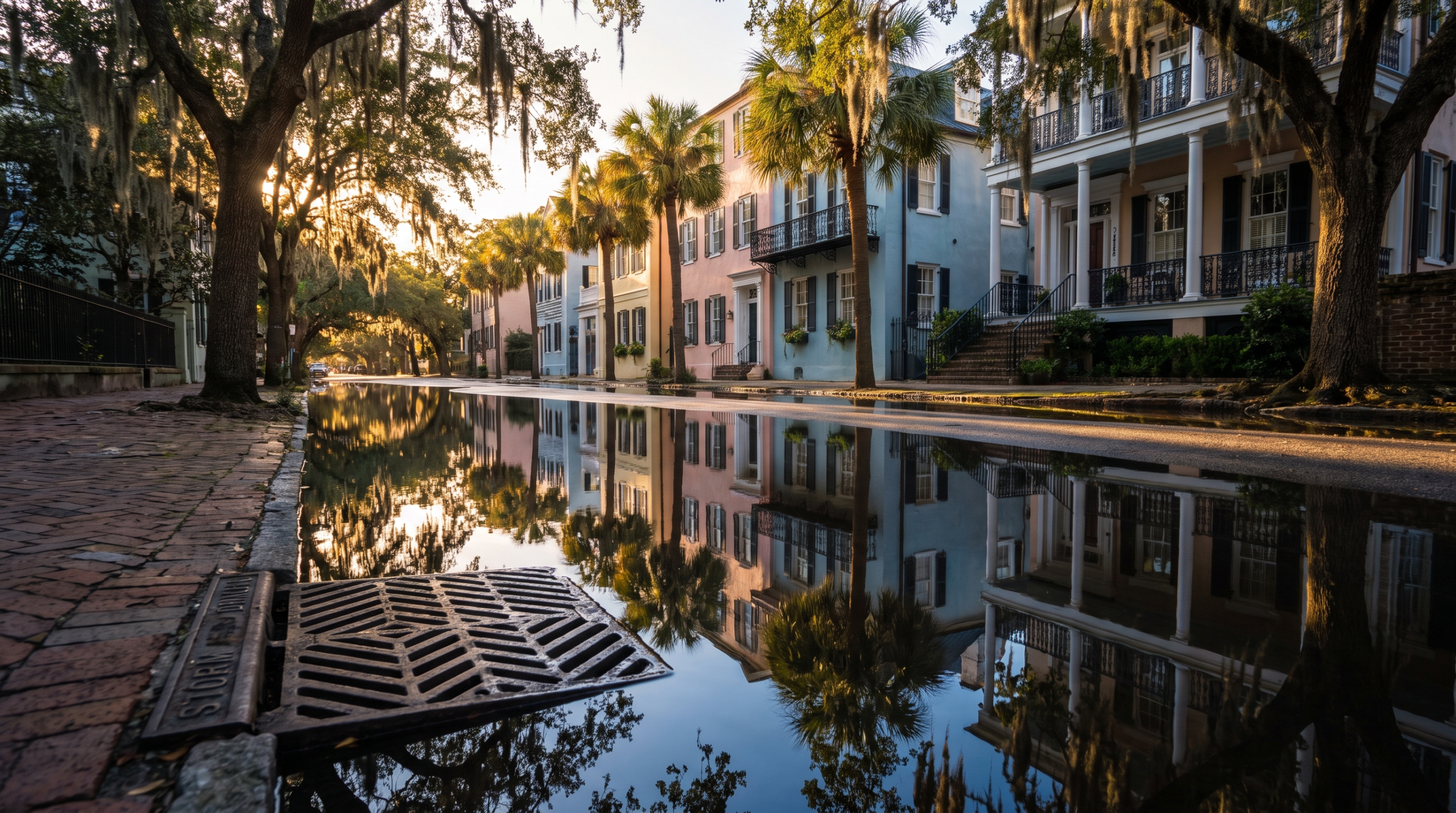
Charleston, South Carolina, boasts a rich architectural tapestry, with homes spanning centuries—from grand 1800s historic downtown properties to mid-20th-century suburban builds and modern constructions. This diverse age range, coupled with the city’s distinctive coastal environment, creates a unique set of plumbing challenges that differ significantly from other regions.
Homeowners here contend with historic pipe materials, a high water table, corrosive salt air, and shifting ground conditions, all of which accelerate wear and tear on plumbing systems. Understanding these specific pressures is essential for preventing costly damage, planning smart upgrades, and preserving both the function and historic character of your home.
A recent and critical development for many Charleston homeowners is the ongoing effort by Charleston Water System (CWS) to address lead service lines. CWS has sent letters to many homeowners in areas with suspected lead piping, alerting them to potential lead in their water. Readers can check whether their home is flagged via CWS’s interactive Lead Service Line Inventory map on their website.
Check Your Home for Lead Service Lines
Charleston Water System is actively identifying and addressing lead service lines. Use their interactive map to see if your property is affected.
Water Supply Lines in Charleston Homes
The integrity of your home’s water supply lines is paramount for health and functionality. In Charleston, the age of a property often dictates the materials used, presenting unique challenges that require specific attention.
Common Old Water Line Materials
Many older Charleston properties still rely on pipe materials that predate modern standards, each with characteristic failure modes.
Lead Water Lines
Many older downtown homes, particularly those built before the mid-20th century, still have lead service lines. These are often found on the public-facing side, running from the street main to the water meter. The health risks associated with lead in drinking water are well-documented, including developmental issues in children and kidney problems in adults. For this reason, replacement is critical.
Charleston Water System is actively identifying lead lines through historical records, water quality testing, and physical inspections, notifying homeowners whose properties are suspected or verified to have lead service lines. Recent CWS mailings are part of this crucial effort to safeguard public health.
Galvanized Steel
Galvanized steel pipes were a common choice for water supply lines in Charleston homes built before the 1960s. While initially robust, these pipes are notorious for internal corrosion as their protective zinc layers erode. This process is significantly aggravated by Charleston’s mineral content in the water and the salty coastal environment, leading to several issues:
- Reduced Water Pressure: Internal rust accumulation narrows the pipe’s diameter, restricting water flow.
- Rusty Water: Discolored, rust-tinged water often comes from faucets, especially after periods of non-use.
- Interior Flaking: Corroded particles can break off and clog aerators or fixtures.
Galvanized steel often fails after 40–60 years, making replacement a recommended upgrade for long-term reliability and water quality.
Modern Water Line Options
When considering repiping, modern materials offer superior longevity and performance compared to their predecessors.
- Copper: A durable and long-lasting option, copper is resistant to corrosion and provides excellent water flow. It’s a premium choice, often used where exposed pipes need to match historic aesthetics.
- PEX (Cross-linked Polyethylene): PEX is a flexible, cost-effective, and highly durable plastic piping. It’s resistant to corrosion, scale buildup, and freezing, making it an excellent choice for concealed supply lines. Its flexibility also reduces the number of fittings, minimizing potential leak points.
For homes flagged by CWS, the utility may offer replacement of the public-side of lead service lines (from the main to the meter) at no cost. This makes a full repiping of the private-side (from the meter into the home) a smart and timely consideration, ensuring a completely lead-free water supply throughout your property.
Water Pressure & Water Quality Issues Unique to Charleston
Charleston’s unique environment and aging infrastructure contribute to specific water pressure and quality concerns.
- Flow Restriction in Historic Homes: Old galvanized or lead lines, with their narrowed internal diameters due to corrosion or scale, significantly restrict water flow, leading to persistent low water pressure, especially in multistory historic homes where gravity already plays a role.
- Corrosion and Degradation: The pervasive salt-influenced air and soil near the coast accelerate the corrosion and degradation of metal pipes, leading to pinhole leaks and internal scaling that further compromises water quality and pressure.
- Aging Infrastructure: Variability in water pressure across older neighborhoods is often tied to the overall aging municipal infrastructure, including older water mains and localized pressure-regulating devices that may be failing.
Sewer Lines in Charleston Homes
Sewer lines are out of sight, but their condition is critical for sanitation and structural integrity. Charleston’s older homes often feature a range of outdated sewer pipe materials, each with its own set of vulnerabilities.
Understanding Old Sewer Line Materials
Identifying the type of sewer pipe material is the first step in understanding potential issues and planning for repairs or upgrades.
Orangeburg (“Fiber Conduit”)
Common in mid-20th-century homes (roughly 1940s-1970s), Orangeburg pipe is made from wood fibers bound with coal tar. It was a low-cost alternative to cast iron but has a limited lifespan. Issues include:
- Prone to Collapse: It can deform and flatten under soil pressure or heavy loads.
- Blistering: The material can blister and delaminate, creating blockages.
- Tree-Root Intrusion: Its porous nature and weak joints make it highly susceptible to root invasion.
Cast Iron Pipe
Cast iron was widely used for sewer lines from the early 1900s through the 1980s. It’s important to distinguish between older and more modern cast iron:
- Older Cast Iron (pre-1980s): Used less advanced alloys and manufacturing techniques, making it more prone to corrosion and degradation, especially given Charleston’s salty, humid environment and high water table. Internal scaling and rust can significantly reduce flow and lead to blockages or joint failures.
- More Modern Cast Iron (post-1980s): Significantly more durable with improved alloys and coatings, offering better resistance to corrosion.
Terracotta / Clay Tile / Clay Sewer Pipes
Often found in very old downtown Charleston homes, these pipes are made of vitrified clay segments joined with mortar. Their issues include:
- Joint Separation: Mortar joints are brittle and can crack or separate due to ground movement.
- Root Intrusion: Roots easily penetrate the mortar joints, causing blockages and damage.
- Shifting Soil: Charleston’s sandy, shifting soil can cause pipes to settle unevenly, creating bellies or reverse slopes that impede flow.
- Difficulty Maintaining Proper Slope: The segmented nature and installation methods often result in inconsistent slopes, leading to poor drainage.
Brick / Masonry Sewers
Seen in some of the oldest (1800s) homes, these are essentially small tunnels constructed from brick and mortar. They are extremely fragile, often partially collapsed, or failing, requiring specialized assessment and repair.
Modern Sewer Line Options for Repairs or Upgrades
When old sewer lines fail, modern solutions offer durability and often minimize disruption.
- PVC SDR-35 or Schedule 40 Sewer Pipe: Polyvinyl chloride (PVC) is the standard for new sewer installations today. It’s lightweight, durable, corrosion-resistant, and has smooth interior walls that resist root intrusion and buildup. SDR-35 is commonly used for buried sewer lines, while Schedule 40 is thicker and often used for above-ground or more demanding applications.
- When to Reline vs. Full Replacement:
- Trenchless Sewer Lining (Cured-in-Place Pipe – CIPP, or UV-Curing Relines): These methods involve inserting a resin-impregnated liner into the existing pipe, which is then cured to form a new, seamless pipe within the old one. This is especially useful in historic homes with tight spaces, mature landscaping, or delicate masonry, as it minimizes excavation and landscape disturbance.
- Full Replacement: In cases of severe collapse, extensive damage, or significant changes in pipe routing, full excavation and replacement with PVC may be necessary.
- Trenchless Sewer Lining (Cured-in-Place Pipe – CIPP, or UV-Curing Relines): These methods involve inserting a resin-impregnated liner into the existing pipe, which is then cured to form a new, seamless pipe within the old one. This is especially useful in historic homes with tight spaces, mature landscaping, or delicate masonry, as it minimizes excavation and landscape disturbance.
- Full Replacement: In cases of severe collapse, extensive damage, or significant changes in pipe routing, full excavation and replacement with PVC may be necessary.
Trenchless repair methods, including cured-in-place pipe (CIPP) lining and pipe bursting, minimize surface disruption by rehabilitating or replacing pipes from access pits rather than full excavation, preserving historic landscaping and masonry. Benefits include reduced restoration costs, shorter project timelines, and less impact to trees, brick pathways, and period gardens that are common in Charleston yards. Trenchless techniques may not suit severely collapsed lines or complex utility conflicts, and contractors should perform a camera inspection, provide warranty terms, and explain expected restoration to ensure historic elements remain intact.
When & Why Sewer- and Storm-Water Lines Became Separate (and What That Means for Charleston)
A critical distinction in Charleston’s plumbing landscape is the historical evolution of sewer and storm-water systems, which has significant implications for many older homes.
Historical Context: Combined Sewer / Storm Water Systems
In many older Charleston downtown homes, particularly those built before the mid-20th century, it was common practice to tie roof drains, yard drains, and other storm runoff directly into the sanitary sewer system. This approach was simpler and more cost-effective when municipal infrastructure was first installed, as it avoided the need for separate storm-water networks.
Regulatory Shift & Local Enforcement
The enactment of the Clean Water Act (1972) and subsequent environmental regulations spurred municipalities nationwide to move toward separate sewer (sanitary) and storm-water systems. The primary goal was to reduce combined sewer overflows (CSOs), which occur when heavy rainfall overwhelms combined systems, discharging untreated sewage and storm water into waterways.
For Charleston, the shift toward separation has been gradual and often tied to major renovations or infrastructure upgrades. However, many historic homes have never had their drainage disconnected from sanitary lines, meaning their systems remain combined.
Problems from Legacy Combined Systems in Charleston Homes
The continued presence of combined sewer/storm-water systems in historic Charleston homes poses several significant problems:
- Overwhelmed Systems: During heavy rain or coastal flooding events, combined systems can be easily overwhelmed. This leads to backups into homes, sewer overflows in yards, or basement/foundation water intrusion as the sanitary sewer struggles to handle both sewage and storm runoff.
- Code Violations and Health Risks: Discharging stormwater and roof drains into the sanitary sewer may violate modern building codes and health standards. This can become a significant issue for homeowners when selling their property, undergoing major renovations, or facing insurance claims.
- Importance for Buyers/Renovators: For prospective buyers or those planning renovations, it is crucial to check the drainage system. If combined, retrofitting drainage to proper storm-water discharge systems (e.g., redirecting to dry wells, storm sewers, or appropriate surface discharge) is a vital upgrade to prevent future problems and ensure compliance.
Drainage & Soil/Environmental Challenges Unique to Charleston
Beyond pipe materials, Charleston’s natural environment presents a unique set of challenges that directly impact plumbing systems.
High Water Table & Coastal Soil Conditions
Many Charleston neighborhoods sit in a low-lying coastal plain with a naturally high groundwater table. This results in:
- Saturated Soil: Soils are often saturated, especially after heavy rains, which can exert significant hydrostatic pressure on buried pipes.
- Shifting Foundation and Settlement: The combination of sandy soils and fluctuating moisture levels can lead to soil movement, foundation shifting, and settlement. This movement can cause sewer and water lines to shift, break, or lose their proper pitch over time, leading to blockages or leaks.
- Crawl Spaces: Crawl spaces are common in older homes, and standing water and drainage problems under the house are frequent issues, contributing to humidity, mold, and structural concerns.
Tree-Root Intrusion
Historic Charleston landscaping often includes large, old live oaks, magnolias, and other deep-rooted trees. These majestic trees, while beautiful, pose a significant threat to aging sewer lines:
- Root Invasion: Tree roots actively seek moisture and nutrients, commonly invading cracks, loose joints, or small defects in older cast-iron, terracotta, or clay sewer lines.
- Damage and Blockages: Once inside, roots grow, progressively widening access points and causing slow leaks, persistent blockages, or even complete pipe collapse.
Landscape planning and scheduled camera inspections together form a defensive strategy against root-driven failures that is less disruptive and more cost-effective than repeated emergency digs.
Tight Crawl Spaces & Limited Access in Historic Homes
Many historic houses feature narrow, low crawl spaces or are built directly on slabs, complicating plumbing replacement or repair. This limited access:
- Increases Difficulty: Makes traditional excavation and pipe replacement more challenging, time-consuming, and expensive.
- Favors Trenchless Solutions: Makes trenchless relining or careful repiping (e.g., PEX runs through wall cavities) more attractive, as they cause less disruption to landscaping, foundations, and interior finishes.
Signs Your Charleston Home’s Plumbing Needs Inspection or Replacement
Early detection of plumbing issues can save homeowners significant time, money, and stress. Be vigilant for these common signs that your Charleston home’s plumbing may require professional inspection or replacement:
- Low or Fluctuating Water Pressure: Especially if it affects multiple fixtures or the entire house, indicating internal pipe corrosion or a significant leak.
- Rust-Colored or Discolored Water, Sediment, Metallic Taste: Clear indicators of corroding galvanized or iron pipes.
- Frequent Drain Backups or Slow Drains: Recurring issues often point to root intrusion, pipe collapse, or significant blockages in sewer lines.
- Sewage Smell in Yard or Near Sewer Clean-Out: A strong indicator of a sewer line leak or break.
- Gurgling Drains/Toilets, Especially After Heavy Rain: Suggests air trapped by partial blockages or an overwhelmed sewer system due to combined storm/sanitary lines.
- Damp or Soft Soil Along Sewer Line Paths: Often indicates an underground leak or break in the sewer line.
- Evidence that Rainwater or Roof Drains Tie into Sanitary Sewer: Old downspouts, sump pumps discharging indoors, or yard drains visibly connected to sewer clean-outs are red flags for combined systems.
How to Address & Upgrade Plumbing in Historic Charleston Homes
Proactive measures and strategic upgrades are key to maintaining a healthy plumbing system in a Charleston home. Here’s how to approach it:
- Use the CWS Lead Service Line Inventory Map: Check if your home is flagged as “Suspected Lead” or “Verified Lead.” If so, schedule an inspection with CWS or a licensed plumber to confirm and plan for replacement.
- Consent to Replacement of Lead Service Line: If CWS has offered to replace the public-side lead line (from the main to the meter) at no cost, take advantage of this opportunity. This significantly reduces your exposure risk.
- Whole-Home Repiping: Especially if your interior plumbing is galvanized or lead, or if the private-side of your service line is suspect. Upgrading to PEX or copper will improve water pressure, quality, and overall system reliability.
- Trenchless Sewer Relining (Cured-in-Place, UV Curing, etc.): This is an ideal solution for historic homes with tight access, delicate landscaping, or mature trees, as it rehabilitates the existing sewer line with minimal excavation.
- Separate Stormwater Drainage Properly: Disconnect downspouts, sump pumps, and yard drains from the sanitary sewer. Redirect them to proper storm-water outlets, dry wells, or the dedicated storm sewer system to prevent backups and comply with modern codes.
- Use Periodic Camera Inspections: Especially valuable in older homes, scheduled camera inspections can detect early signs of joint separation, root intrusion, corrosion, or collapse in sewer lines before they lead to major failures.
Proactive Plumbing for Peace of Mind
Don’t wait for a plumbing emergency. Regular inspections and timely upgrades can protect your home’s value and your family’s health.
Conclusion
Charleston homeowners, particularly those residing in historic or older homes, need to be exceptionally proactive about their plumbing systems. The city’s unique blend of old construction materials, a challenging coastal environment, and evolving regulations means that hidden risks like lead pipes, failing sewer lines, or improper drainage are far more common than in many other areas.
By leveraging modern tools like the CWS Lead Service Line Inventory map, coupled with professional inspections and thoughtful, strategic upgrades, homeowners can protect their health, preserve their home’s historic integrity, and prevent costly, disruptive repairs down the line. We encourage all readers to check their address on the CWS map, make plumbing inspections a priority as part of any renovation or home purchase, and plan for necessary upgrades—even if visible problems haven’t yet appeared. Investing in your plumbing is investing in the long-term health and value of your Charleston home.
By Warren DeHaven. Owner of Charles Towne Plumbing